
Orthopedic practices face unique pressures: high-cost surgeries, complex payer relationships, variable procedure mixes, and rising patient financial responsibility. As care shifts to outpatient settings and payers push harder on utilization, the revenue cycle in orthopedics must evolve.
Looking toward 2026, the practices that thrive will be those that anticipate the “hidden” pressures in orthopedic RCM and adopt systems built for scale, adaptability, and patient-centric billing. Here are five trends to watch and prepare for.
1. Agentic Automation & AI Employees for Complex Surgical Workflows
In orthopedic RCM, claims are rarely simple. Joint replacements, spinal fusions, revision surgeries, durable medical equipment (DME), and bundled “global” payments all introduce nuance. Traditional RPA (robotic process automation) often buckles under such complexity.
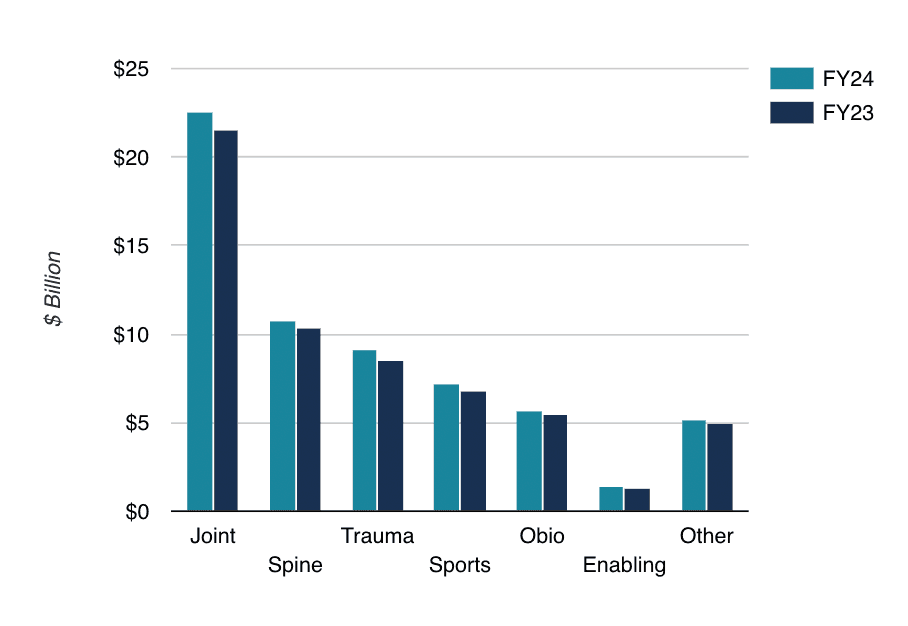
In 2026, top practices in this industry of over $60 billion will adopt AI employees—automation systems that go beyond scripted bots and can adapt dynamically. These AI employees can:
Audit and pre-scrub surgical claims, cross-referencing instrumentation, implant codes, and supply sheets
Validate DME eligibility and coverage simultaneously with the procedure billing
Monitor payer edits in real time and adjust claim logic automatically
Manage bundled or global billing wraps, ensuring post-operative services are reconciled
Because orthopedic claims tend to carry higher value and more scrutiny, even a small reduction in denials or rework can yield outsized returns.
How to prepare:
Map your surgical workflows end-to-end (implant coding, instrumentation, bundling, DME).
Start piloting AI employees in segments with moderate complexity (for example, DME / supplies billing).
Build oversight dashboards so human staff can review and audit adaptive AI decisions.
2. Shift toward Ambulatory Surgical Centers (ASCs) & ASC-Optimized Billing
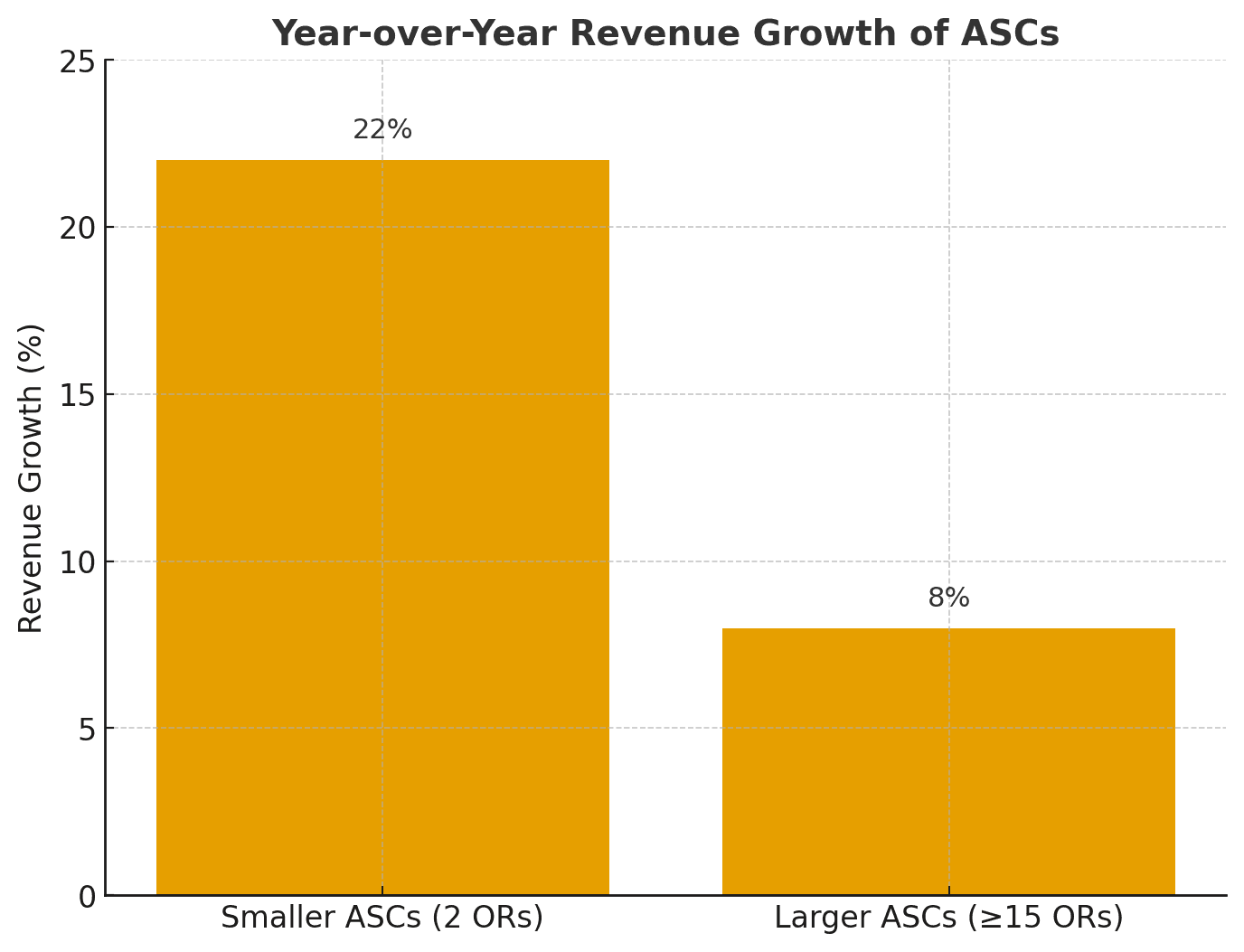
Orthopedics is embracing the move toward ASCs (ambulatory surgical centers). ASCs often offer lower overhead, faster throughput, and greater flexibility compared to hospital ORs. A recent report by ASC News noted that smaller ASCs (with two operating rooms) saw revenue grow ~22% year-over-year, while larger facilities with ≥ 15 ORs experienced only ~8% growth in the same period.
But that migration brings new RCM demands:
Payers often reimburse ASCs differently (facility vs. professional splits)
Bundled payments and global episodes may cut across inpatient / outpatient divides
Surgeon fees, device implant costs, supplies, and ancillary services may need separate reconciliation
In 2026, practices will seek RCM systems that are ASC-optimized, supporting multi-site billing, payer splits, and cost reconciliation between facility and professional lines.
How to prepare:
Review your payer contracts to understand how ASC reimbursements differ.
Ensure your RCM vendor supports multi-site and multi-line billing.
Build analytics to compare AR days, denials, and payer performance across sites.
3. Preauthorization and Utilization Management Embedded into Front-End Workflows

Orthopedic surgeries frequently require preauthorization, and failure or delay in securing approval can derail both care and revenue. In 2026, denial prevention in orthopedics will increasingly shift upstream—embedded into scheduling and intake rather than after submission.
Automation and AI will be used to:
Pre-validate procedures against each payer’s policy rules (e.g. medical necessity, bilateral surgery rules)
Flag unsupported or high-risk cases even before scheduling
Let patients see their prior-authorization status and out-of-pocket liability at the time of scheduling
This proactive approach will reduce surprise denials, avoid last-minute changes, and improve patient satisfaction by setting clear expectations.
How to prepare:
Organize historical denial data to build payer-specific rule sets.
Integrate authorization engines or AI modules with your scheduling/EMR system.
Train schedulers to respect flagged warnings and alternative procedure paths.
4. Real-Time Financial Transparency & Patient-Friendly Billing
Patients who undergo orthopedic care often shoulder significant financial responsibility—co-pays, deductibles, implants, rehab, and ancillary services. In 2026, the “patient billing moment” will no longer be weeks after surgery—it will be woven into the clinical experience.
Leading practices will provide:
Pre-surgery cost estimates that combine surgeon, facility, implants, and post-op services
Live tracking of claim adjudication status, so patients can see where their billing “is”
Flexible payment mechanisms (installments, digital wallets, split billing)
Portal dashboards that show line-level charges, insurer payments, and patient responsibility
This banking-level clarity reduces billing disputes, delays, and patient frustration—especially important when large-dollar procedures are involved.
How to prepare:
Create integrated patient financial portals with line-item transparency.
Use an RCM system that updates in real time.
Embed financial counseling into pre-surgery workflow so patients can understand their obligations ahead of time.
5. Denial Prevention and Predictive Analytics in High-Stakes Claims
Because orthopedic claims tend to have high dollar amounts, each denial has outsized impact. In 2026, the smartest practices will leverage predictive analytics and AI to prevent denials before they occur—and focus staff time where it’s most productive.
These systems will:
Score claims before submission, identifying high-risk items (e.g. bilateral procedures, nonstandard instrumentation, prior authorization gaps)
Automatically generate clean-up suggestions (code corrections, narrative edits, attach supporting documentation)
Prioritize appeals for claims with high probability of reversal
Monitor trends (payer by payer) and surface patterns: e.g. “This payer recently started rejecting XYZ implant codes for this CPT category.”
Because surgical claims tend to involve implants and supply charges, denial patterns often shift quickly; adaptability matters.
How to prepare:
Aggregate your denial history and link them to CPT/implant patterns.
Use AI-powered denial-prevention modules if available.
Allocate human oversight to review flagged claims rather than chasing all denials.
Bonus Trend: Cybersecurity & Compliance as a Differentiator
While not unique to orthopedics, the stakes for cybersecurity are higher when surgical, imaging, and device data are involved. Practices will need to demonstrate rigorous data protection—especially when AI systems are core to your RCM workflows.
Clients may increasingly ask: “How do you handle PHI in your automation?” Expect practices to market their security posture as a trust differentiator.
Wrapping Up
Orthopedic practices in 2026 will win not by reacting to denials after the fact, but by embedding automation, intelligence, and transparency throughout the lifecycle: from scheduling to claims to patient billing.
If your practice can layer agentic automation, ASC-awareness, embedded preauthorization, patient financial clarity, and AI-driven denial prevention, you’re not just future-proofing—you’re positioning your practice as a high-reliability, patient-centric surgical provider.
At Magical, we believe the future of dental RCM lies in agentic automation that’s secure, transparent, and built to last. Our AI employees already power workflows for thousands of providers, helping them reduce denials, accelerate payments, and deliver a better experience for patients and staff alike.
👉 Ready to future-proof your ortho RCM? Book a demo with Magical today.