Revenue cycle management (RCM) is no longer a back-office function in dentistry—it’s the lifeblood of a practice’s financial health. With margins under pressure, patients shouldering more financial responsibility, and insurers tightening policies, the stakes for getting the revenue cycle right have never been higher.
As we head into 2026, a new wave of innovation is reshaping dental RCM. These aren’t just buzzwords or passing fads. They’re deep shifts in how practices operate, how patients experience the financial side of care, and how payers interact with providers. (They’re also the key for dental practices to take a bigger bite out of the 242.8 billion industry that is projected by 2030.)
Here are the five trends every dental practice should be tracking—and preparing for—if they want to thrive in the years ahead.
1. From Bots to AI Employees: The Rise of Agentic Automation
For the last decade, many dental practices relied on Robotic Process Automation (RPA) bots to handle repetitive administrative tasks—think submitting claims, entering data into clearinghouses, or running eligibility checks. While these tools were useful, they were fragile, expensive to maintain, and often broke the moment a payer portal or practice management system changed its layout.
In 2026, the story is shifting. The buzz around “AI agents” is giving way to something more powerful and practical: AI employees. Unlike bots, AI employees don’t just mimic clicks—they manage entire workflows end-to-end, adapting dynamically when something changes.
Key capabilities of AI employees in dental RCM include:
Real-time eligibility checks: verifying coverage before patients sit in the chair.
Claim scrubbing and submission: ensuring clean claims go out the first time, reducing costly denials.
Denial resolution and appeals: automatically reviewing rejection codes, pulling supporting documentation, and resubmitting.
Transparent activity logs: showing staff exactly what the AI did—every click, every submission, every result—so nothing feels like a black box.
Example: A mid-sized DSO recently deployed AI employees to handle claims submission across five locations. Within six months, their average days in A/R dropped by 22%, and staff reported saving 15–20 hours per week previously spent reworking denied claims.
Why this matters:
Scale without staff burnout. Instead of hiring more billing staff, practices can scale collections reliably.
Faster patient refunds. Patients get reimbursed quicker, building trust and satisfaction.
Resilience. AI employees “self-heal” when systems change, unlike RPA bots that collapse under minor updates.
How to prepare:
Audit your RCM processes and flag repetitive workflows ripe for automation.
Pilot AI employees in one or two high-volume areas (eligibility checks, claims).
Involve staff early, reframing AI not as replacement but as a digital teammate handling tedious work.
2. Subscription RCM Models Converge with Dental Membership Plans
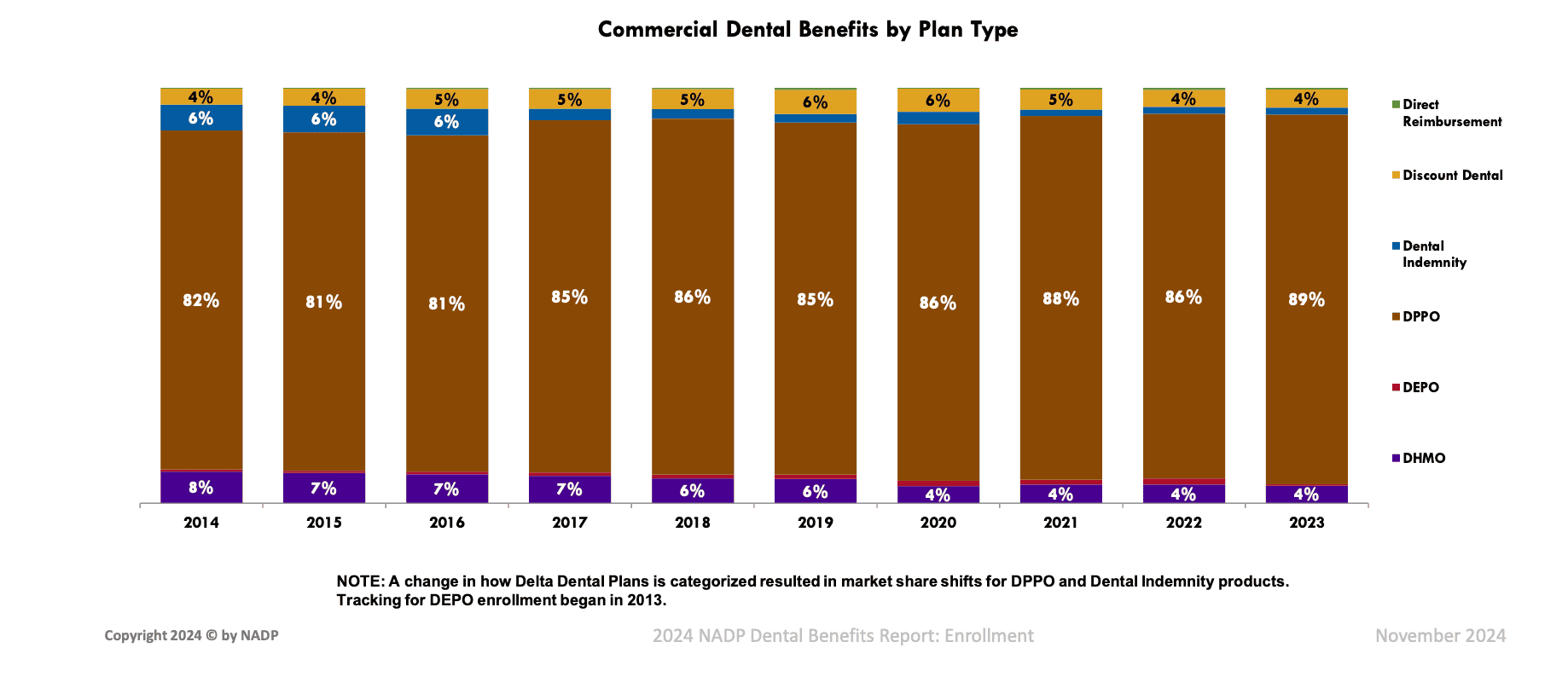
Subscription-based dentistry—where patients pay a flat monthly or annual fee for preventive care—has been steadily growing. According to the National Association of Dental Plans, roughly 20% of patients have already experienced some form of in-house membership offering.
In 2026, these membership models are colliding with a new concept: subscription RCM. Instead of treating billing, collections, and payer engagement as unpredictable costs, practices are starting to bundle automation-powered RCM into their membership offerings.
What this looks like:
Patients pay a predictable subscription fee for core services (cleanings, x-rays, preventive visits).
Practices outsource or automate insurance interactions so staff aren’t bogged down in payer paperwork.
Collections become more reliable, with fewer surprises for both the practice and the patient.
Why this matters:
For practices: predictable recurring revenue smooths cash flow and reduces dependence on fluctuating insurance reimbursements.
For patients: simpler financial models build loyalty, reduce cost anxiety, and increase case acceptance rates.
Case in point: A group of pediatric dental practices in the Midwest rolled out a membership-plus-automation model in 2025. Within a year, patient retention increased by 17%, and unpaid balances dropped by 28%.
How to prepare:
Explore in-house membership models or partner with vendors that offer white-label subscription frameworks.
Pair these offerings with automation platforms that ensure claims and collections run seamlessly in the background.
Market the simplicity: “No surprises. No hassle. Just care.”
3. Real-Time Transparency for Patients: The New Standard
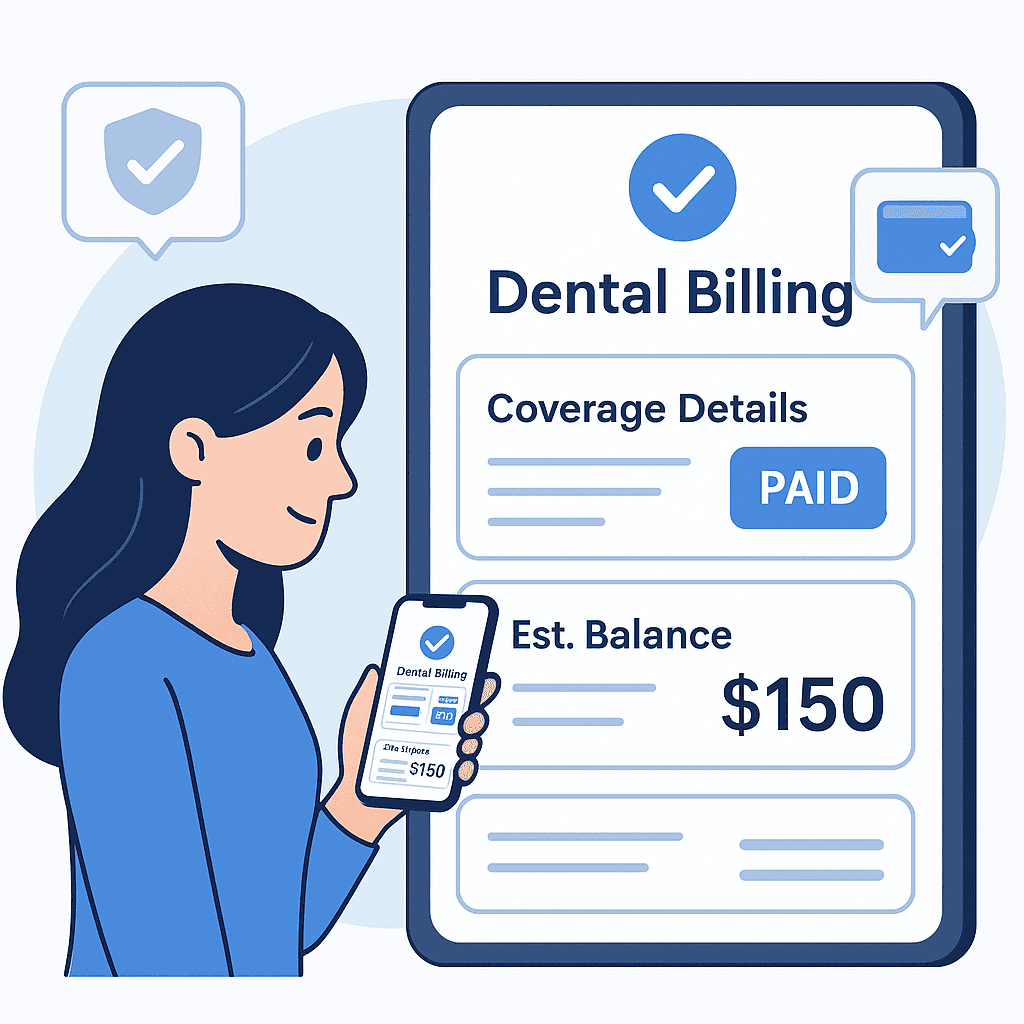
In the age of digital wallets, one-click payments, and real-time banking apps, patients increasingly expect the same clarity and immediacy in healthcare billing.
In 2026, leading dental practices will deliver banking-level transparency in their financial processes. Patients won’t wait weeks for EOBs—they’ll see coverage details, payment status, and estimated balances in real time.
Examples of real-time patient transparency:
Pre-treatment estimates that show insurance coverage and out-of-pocket responsibility before care begins.
Live claim tracking so patients can log into their portal and see “where their money is” (just like tracking a package).
Digital wallets and payment flexibility, enabling patients to split payments or use digital wallets like Apple Pay or Google Wallet instantly.
Why this matters:
Trust and satisfaction. Patients who feel in control of their financial responsibility are more likely to follow through on care plans.
Collections. Transparent billing reduces confusion, disputes, and unpaid balances.
Competitive advantage. Practices that provide transparency win patients over competitors who still send cryptic paper bills weeks later.
How to prepare:
Integrate RCM tools with patient-facing portals that update in real time.
Train front-office staff to discuss financials confidently and clearly.
Market transparency as part of your value proposition: “We make dental care as simple as checking your bank account.”
4. From Denial Management to Denial Prevention
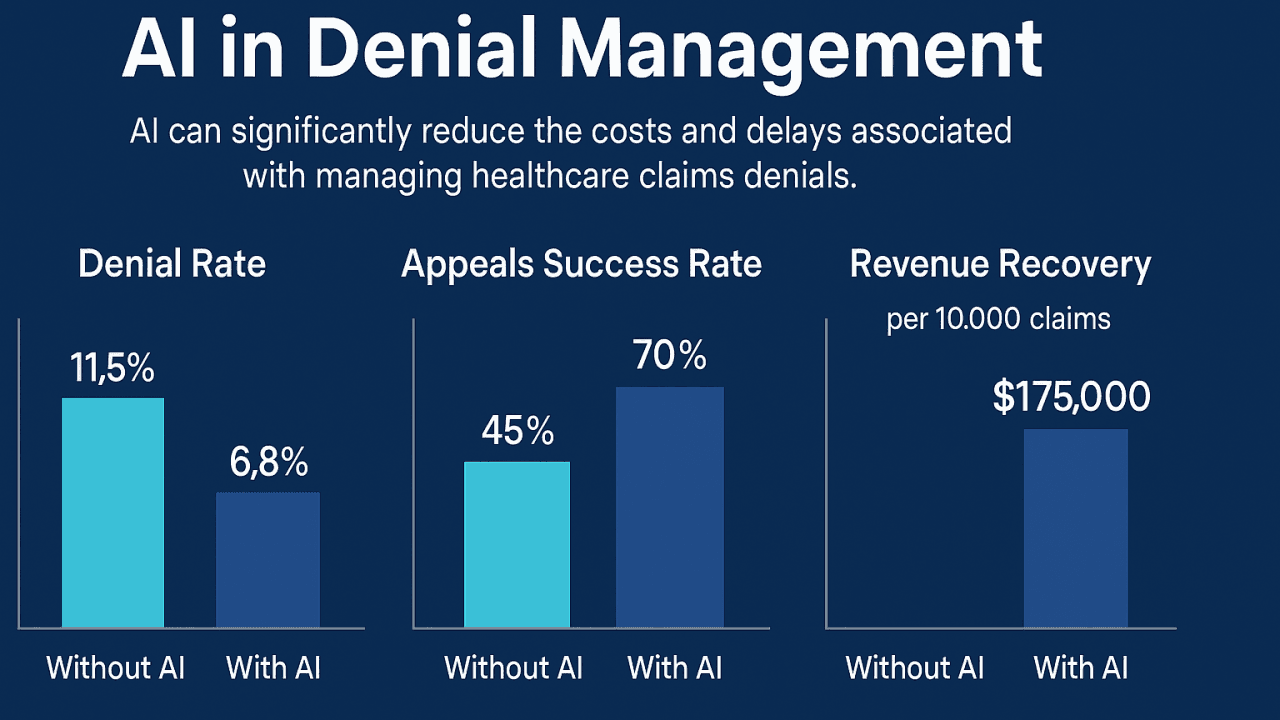
Denials have long been one of the most stubborn pain points in dental RCM. According to recent industry surveys, nearly half of dental practices report an increase in denials year-over-year, driven by stricter payer requirements and documentation errors.
In 2026, practices will shift focus from managing denials after they happen to preventing them before they occur.
How AI and predictive analytics make this possible:
Pre-claim audits: AI scans every claim for missing codes, mismatched data, or documentation gaps.
Policy adaptation: AI employees update workflows automatically when payer rules change.
Prioritization: Denials most likely to be overturned are flagged and resubmitted instantly, while high-risk errors are corrected before submission.
Impact of proactive denial prevention:
Reduction in first-pass denials by up to 40–50%.
Faster reimbursement cycles (often cutting days in A/R by double digits).
Less staff frustration with repetitive back-and-forth with insurers.
Example: One large DSO in Texas implemented predictive denial prevention across 20 clinics in 2025. By 2026, their claim denial rate dropped from 14% to 6%, representing over $2.5 million in recovered revenue annually.
How to prepare:
Stop treating denials as inevitable. Implement tools that analyze patterns and prevent errors upstream.
Train staff on the most common reasons for dental claim rejections (e.g., incomplete narratives, incorrect CDT codes).
Track and benchmark denial trends monthly—then adjust processes proactively.
5. Cybersecurity as a Competitive Advantage
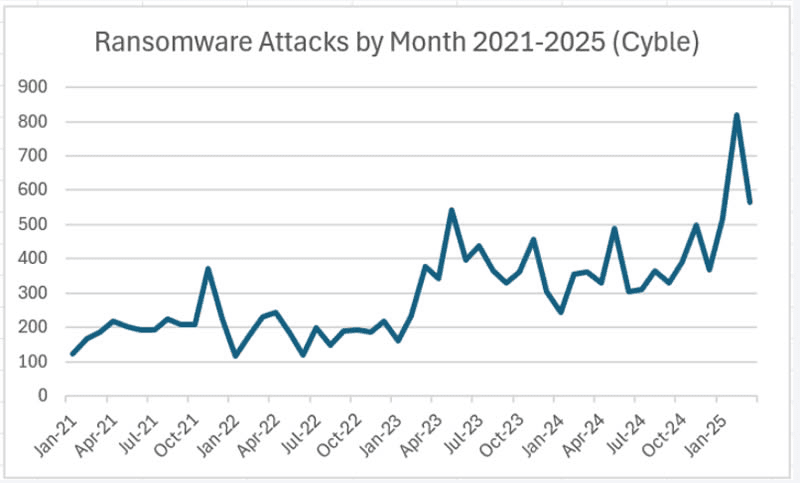
Cyberattacks in healthcare have grown at alarming rates—dental practices are no exception. Between 2022 and 2025, roughly 60% of dental offices reported a ransomware attack. Many practices still rely on outdated systems without robust encryption, putting both finances and patient trust at risk.
In 2026, cybersecurity won’t just be a compliance requirement—it will be a selling point. Patients are becoming more informed and selective, asking questions about how their sensitive data is handled.
Emerging cybersecurity practices in dental RCM:
Zero-trust architectures that assume no system is inherently safe.
End-to-end encryption across every workflow.
AI employees that don’t store PHI. Platforms like Magical execute tasks without retaining sensitive data, minimizing breach risk.
Transparency to patients. Some practices are beginning to publish their cybersecurity commitments directly on their websites or patient portals.
Why this matters:
Patient trust. Patients may switch providers after a data breach—even a minor one.
Financial protection. The average cost of a healthcare breach exceeds $10 million; dental practices can’t afford to absorb such losses.
Regulatory compliance. HIPAA enforcement is expected to get stricter as regulators catch up with AI adoption in healthcare.
How to prepare:
Conduct annual security audits, including third-party penetration tests.
Train staff on phishing and password hygiene.
Adopt vendors and platforms with clear “no data storage” policies.
Market your security posture as a differentiator: “We protect your smile and your data.”
Final Thoughts
The dental industry is at a crossroads. On one side are practices that cling to outdated billing processes, manual workflows, and opaque financial interactions. On the other side are forward-looking leaders who embrace automation, transparency, and patient-first revenue strategies.
The trends shaping 2026—AI employees, subscription-based RCM, real-time transparency, denial prevention, and cybersecurity—aren’t optional. They’re becoming the baseline for what patients and payers expect.
Practices that act now will enjoy stronger financial health, happier patients, and less burnout among staff. Those that wait risk falling behind in an increasingly competitive landscape.
At Magical, we believe the future of dental RCM lies in agentic automation that’s secure, transparent, and built to last. Our AI employees already power workflows for thousands of providers, helping them reduce denials, accelerate payments, and deliver a better experience for patients and staff alike.
👉 Ready to future-proof your dental RCM? Book a demo with Magical today.