Utilization Management (Payers)

AI EMPLOYEES

Modernize utilization management with agentic AI

Automate medical necessity reviews, improve consistency, and ensure compliance with CMS utilization management reforms.

Utilization Management (Payers)

Healthcare Payers

154

Running

85%

Automated UM cases

AVG IMPLEMENTATION TIME

3 weeks

AUTOMATION SUCCESS RATE

90%+

PILOT TO PRODUCTION RATE

1:1

AVG IMPLEMENTATION TIME

3 weeks

AUTOMATION SUCCESS RATE

90%+

PILOT TO PRODUCTION RATE

1:1

AVG IMPLEMENTATION TIME

3 weeks

AUTOMATION SUCCESS RATE

90%+

PILOT TO PRODUCTION RATE

1:1

Why utilization management is under fire

Inconsistent clinical decisions

Traditional UM processes rely on subjective review and fragmented data.

30–60 minutes per case spent on manual clinical review

Compliance and transparency risk

CMS and state regulators are demanding transparent UM workflows and documentation.

25% of denials overturned due to documentation errors

Operational inefficiency
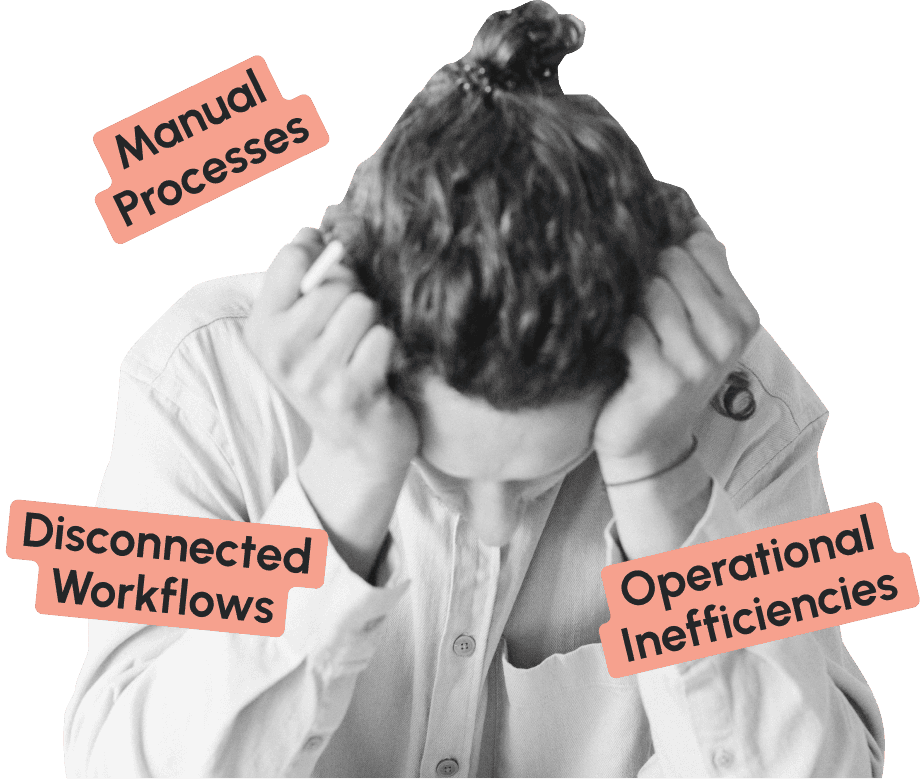
Each review takes hours and requires multiple staff—costs rise while turnaround times slip.

1–4 reviewers touch each case before final determination

Loading your AI employee…

To embed a website or widget, add it to the properties panel.

Automate key steps of utilization management

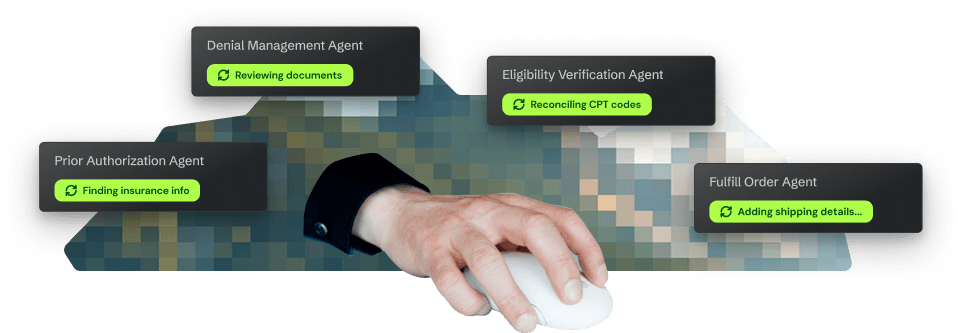
Pre-service review

AI employees analyze clinical documentation, compare against coverage criteria, and recommend determinations with supporting rationale.

Real-time updates
Real-time updates
Real-time updates

Monitor inpatient stays and automatically surface medical necessity checkpoints as documentation arrives.
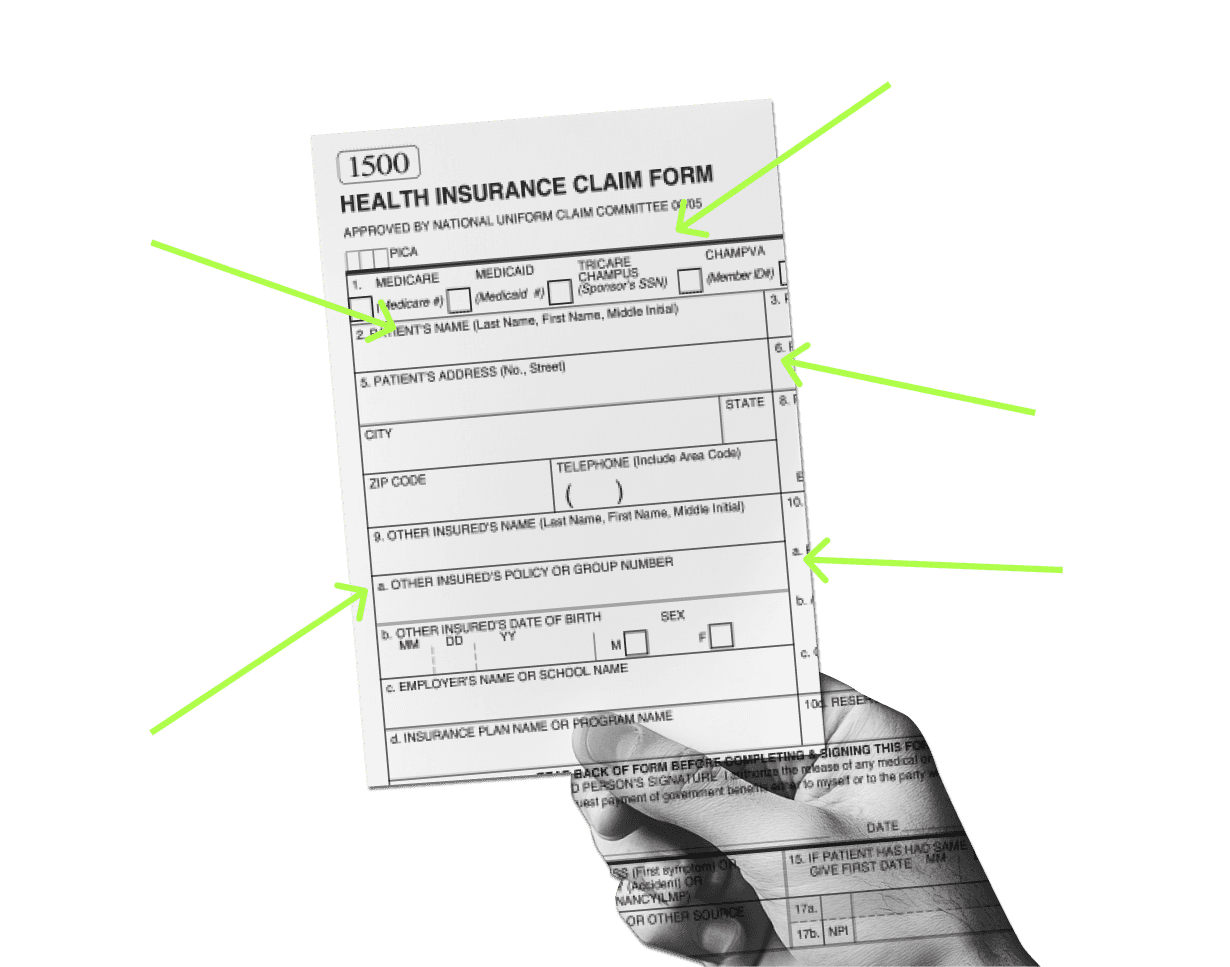
Post-service review
Post-service review
Post-service review

Detect improper payments and streamline peer review by pre-assembling evidence packets.

Audit and reporting
Audit and reporting
Audit and reporting

Generate compliant audit logs for CMS, NCQA, and state UM reporting automatically.
How it works: Implement in minutes not months

How it works: Implement in minutes not months

1) Intake and classification

AI employees read inbound UM requests, extract structured data, and classify them by service type and urgency.

2) Criteria evaluation

AI employees read inbound UM requests, extract structured data, and classify them by service type and urgency.

3) Determination and reporting

Generate determination documentation, provider notifications, and compliance reports—all automatically.

2) Criteria evaluation

Automatically match against InterQual, MCG, or plan-specific criteria; flag exceptions for clinician review.

3) Determination and reporting

Generate determination documentation, provider notifications, and compliance reports—all automatically.

Transform UM outcomes

85%

Automated UM cases

Reduce manual review workload with consistent, explainable AI-driven decisions.

2–3 weeks

Typical time to go live

Deploy fast without heavy integrations or technical support.

100%

Audit-ready transparency

Every action is logged for compliance and internal QA review.

90%

Reliability end-to-end

Reduce operational costs while improving provider experience.

What healthcare payers are saying

“Before Magical, UM decisions were inconsistent across reviewers. Now every case follows the same criteria and audit trail—our appeal rate is down 40%.”

Director of Clinical Operations, Medicaid MCO

Director of Clinical Operations, Medicaid MCO

“Our clinical reviewers love it—Magical handles the routine cases, so they can focus on high-acuity reviews. Productivity and morale have never been higher.”

VP of Medical Management, Medicare Advantage Plan

VP of Medical Management, Medicare Advantage Plan

Security & compliance

HIPAA compliant

Magical processes all data locally with zero PHI storage

SOC 2 Type II certified

Enterprise-grade security with regular third-party audits

Secure Authentication

Single Sign-On (SSO) and multi-factor authentication options

See how agentic AI modernizes UM

FAQs

Frequently asked questions

Frequently asked questions

How does AI handle clinical reviews?

AI employees evaluate structured and unstructured data using rule sets and criteria libraries, escalating ambiguous cases to licensed reviewers.

Does it meet NCQA and CMS UM requirements?

Yes—each workflow maintains timestamped audit trails and adheres to federal and state UM standards.

What systems does it integrate with?

Compatible with HealthEdge, Cognizant QNXT, and custom UM platforms via API or UI automation.

Can reviewers override AI recommendations?

Yes—AI employees provide explainable recommendations; human reviewers retain full decision authority.

How long to implement?

Average deployment time is 2–4 weeks depending on scope and data access.